Peony Flowers: Symbols of Romance and Prosperity
Posted on 02/07/2025

Peony Flowers: Symbols of Romance and Prosperity
Peony flowers have captivated humanity for centuries with their lush blooms, intoxicating fragrance, and rich cultural significance. Often hailed as the "queen of flowers," the peony is not only admired for its stunning beauty but also revered for its deep symbolism, especially in the realms of love, romance, and prosperity. In this comprehensive article, we delve into the fascinating world of peony flowers, uncovering their history, cultural meanings, varieties, care tips, and their role as enduring icons of romance and good fortune.
History and Origin of Peony Flowers
The peony (scientific name: Paeonia) belongs to the family Paeoniaceae and is native to regions spanning Asia, Europe, and North America. Its enchanting blooms have been cultivated for more than 2,000 years. In China--where the significance of peony flowers is particularly profound--it is known as the "King of Flowers" and has held pride of place in art, literature, and gardens from the Imperial era to today.
- Chinese Heritage: Peonies were declared China's national flower during the Tang dynasty and symbolize wealth, honor, and feminine beauty.
- European Influence: Peonies arrived in Europe in the 18th century, becoming favorites in grand gardens, where their luscious petals represented affluence and refined taste.
- American Popularity: In the United States, the peony became the state flower of Indiana and is beloved for its showy, fragrant blossoms.
The Mythological Roots of the Peony
Peonies are steeped in myth and legend. According to Greek mythology, the peony is named after Paeon, a physician to the gods, highlighting the flower's historical connection to healing and protection. This myth adds another layer to the peony's reputation as a bearer of good fortune and health.
Peony Flower Meanings: Romance, Prosperity, and Beyond
The meanings and symbolism of the peony flower are multifaceted, but its most endearing associations are with romance and prosperity.
Symbols of Romance and Love
Peonies are often sought after as the flower of romance, representing deep affection, a happy marriage, and good fortune in love. Their abundant petals and lush, soft hues are seen as embodying tenderness and passionate emotions. In fact, in many cultures:
- Wedding Bouquets: Peonies are among the top choices for bridal bouquets due to their romantic connotations.
- Anniversary Gifts: The flower is traditional for the twelfth wedding anniversary, symbolizing enduring love and prosperity.
- Literature and Art: Countless poems, paintings, and stories use the peony to evoke passion and sweetness.
Representations of Prosperity and Honor
Beyond love, the peony flower is widely regarded as a symbol of prosperity, honor, and wealth. In China, the peony is often depicted in art alongside gold and other symbols of riches to signify nobility and success. Its full, generous blooms suggest abundance and a bountiful life.
- Luck in Business: Peonies in business settings are believed to attract positive energy and financial success.
- Feng Shui: Practitioners often recommend peonies to enhance the flow of prosperity and joyful relationships within a space.
Varieties and Colors of Peony Flowers
There are over 30 recognized species of peonies and hundreds of cultivars. The diversity in colors and shapes adds to the universal appeal of the peony. The most popular types include:
- Herbaceous Peonies (Paeonia lactiflora): Die back to the ground each winter and regrow in spring; most common garden peony with large, showy blooms.
- Tree Peonies (Paeonia suffruticosa): Woody shrubs with huge, fragrant flowers, often seen in classic Asian art.
- Intersectional or Itoh Peonies: Hybrids that combine the best traits of herbaceous and tree peonies--strong stems, prolific blooming, and a wide color range.
The Language of Peony Flower Colors
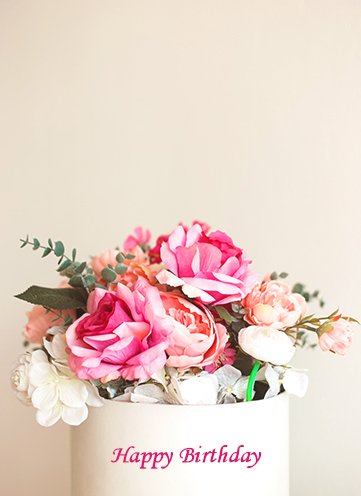
- Pink Peonies: The most common, symbolizing romance, grace, and happiness.
- White Peonies: Associated with purity, innocence, and new beginnings--often used at weddings.
- Red Peonies: Represent passion, honor, and physical desire; popular in Chinese New Year celebrations for luck.
- Yellow Peonies: Rarer, embodying wealth, new opportunities, and cheerfulness.
- Purple Peonies: Linked to nobility, mystery, and royalty; often featured in imperial gardens.

Cultural Significance of Peony Flowers Around the World
Peonies in Chinese Culture
In China, the peony is called "mudan". It is the national symbol of richness, honor, and feminine beauty. During the famous Luoyang Peony Festival, millions of blossoms attract visitors from around the world. The flower also plays a major role in traditional paintings, silks, and even wedding attire.
- Art and Literature: Chinese scrolls and porcelain often feature peonies as motifs of luck and grandeur.
- Feng Shui Use: Placing peony imagery in the home is believed to attract love and happiness.
Peonies in Western Traditions
Europeans prize peony flowers for their ornamental beauty. In Victorian England, giving peonies symbolized good wishes, bashfulness, and high esteem. Today, they are a staple in English cottage gardens and high-profile floral displays.
- American Gardens: Peonies are treasured for their winter-hardiness, longevity, and carefree beauty.
- Weddings and Rituals: They are a favorite for spring and summer ceremonies due to their association with a blissful marriage.
How to Grow Peony Flowers for Beauty and Prosperity
Caring for peonies can be both rewarding and straightforward. These perennials, with the proper environment, will reward you with decades of lush, vibrant blooms that are sure to enhance the romance and prosperity of your home.
Peony Planting Tips
- Choose the Right Spot: Peonies thrive in full sun (at least 6 hours daily) and well-drained soil.
- Planting Depth: For herbaceous peonies, position the root crown just 1-2 inches below the soil surface to encourage strong blooming.
- Spacing: Allow at least 3 feet between plants for airflow and healthy growth.
- Watering: Water deeply but infrequently, especially during establishment and dry spells.
Propagating Peonies
The best way to propagate peonies is through root division, typically done in the fall. Carefully dig up the root ball, divide into sections with at least 3-5 eyes (buds), and replant immediately.
Peony Care Calendar
- Spring: Apply organic mulch and fertilizer as new shoots appear; stake tall stems if necessary.
- Summer: Deadhead spent blooms to promote continued health. Water during dry weather.
- Fall: Cut herbaceous peonies to the ground after the first frost to prevent disease.
- Winter: Established plants are hardy and require minimal care.
Peony Flowers in Weddings and Celebrations
Thanks to their romantic symbolism, peony blossoms have become synonymous with weddings, anniversaries, and milestone celebrations.
- Bridal Bouquets: The soft, voluptuous petals complement any wedding dress style, adding elegance and meaning.
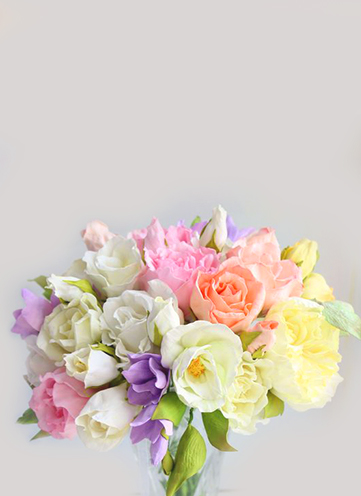
- Table Decor and Arrangements: Peonies mix beautifully with roses, lilies, and greenery for lush, sophisticated displays.
- Symbolic Wedding Gift: Potted peony plants or art prints make thoughtful and auspicious presents for newlyweds.
Why Peonies are the Perfect Flower for Romance
Few flowers evoke as much emotion and sophistication as the peony. Their vibrant colors, soft texture, and legendary fragrance make them a perennial favorite for expressing love, admiration, and heartfelt wishes for abundance and success.
Fun Facts: Fascinating Peony Flower Trivia
- Longevity: Well-cared-for peony plants can thrive for over 100 years, making them a lasting legacy in any garden.
- Global Appeal: Peonies are celebrated in festivals from China's Luoyang to Japan's Shimane and even in Indiana, USA.
- Medicinal Roots: Ancient herbalists believed peony roots could cure headaches, asthma, and even ward off evil spirits.
- Record Holders: Some peony varieties have blooms over 10 inches wide!
- Fragrance: While most peonies are sweetly scented, some--especially tree peonies--are nearly odorless.
Peony Flowers: A Timeless Emblem of Love, Luck, and Prosperity
In conclusion, the peony flower stands as a striking symbol of both romance and prosperity throughout diverse cultures. Whether you are seeking to infuse your life with loving energy, wishing for abundant fortune, or simply gracing your home with unparalleled beauty, peonies are the perfect choice.
Their resplendent blooms and rich historical legacy make them a favorite for gardeners, brides, and anyone who appreciates the enduring language of flowers. Add a touch of peony-inspired magic to your home or garden and experience firsthand the allure that has captivated hearts for millennia.
Frequently Asked Questions About Peony Flowers
What is the spiritual meaning of peonies?
Peony flowers represent spiritual healing, new beginnings, and the power of positive transformation. In many cultures, they are thought to attract good fortune and protect against negativity.
When do peony flowers bloom?
Most garden peonies bloom from late spring to early summer, though exact timing may vary depending on your climate and variety.
How long do peony blooms last?
Individual peony blossoms generally last from 7-10 days. By planting different cultivars, you can extend the peony blooming season in your garden by several weeks.
Are peony flowers suitable for cut arrangements?
Yes! Their long stems and full, elegant flowers make them a top choice for bouquets and floral design. Be sure to cut them early in the morning for the longest vase life.
Can peonies really bring love and prosperity?
While there is no scientific proof, the symbolism of peonies is time-honored. Many people believe that having peonies around increases positive energy, improves relationships, and ushers in luck and abundance.
If you're inspired by the beauty, history, and meaning of peony flowers, consider adding them to your garden or home decor. Not only will you be surrounded by one of nature's most exquisite blossoms, but you'll also embrace an age-old tradition of romance and prosperity--for yourself and generations to come.
```